The Psychology of Lost Love: Who Hurts More After a Breakup?
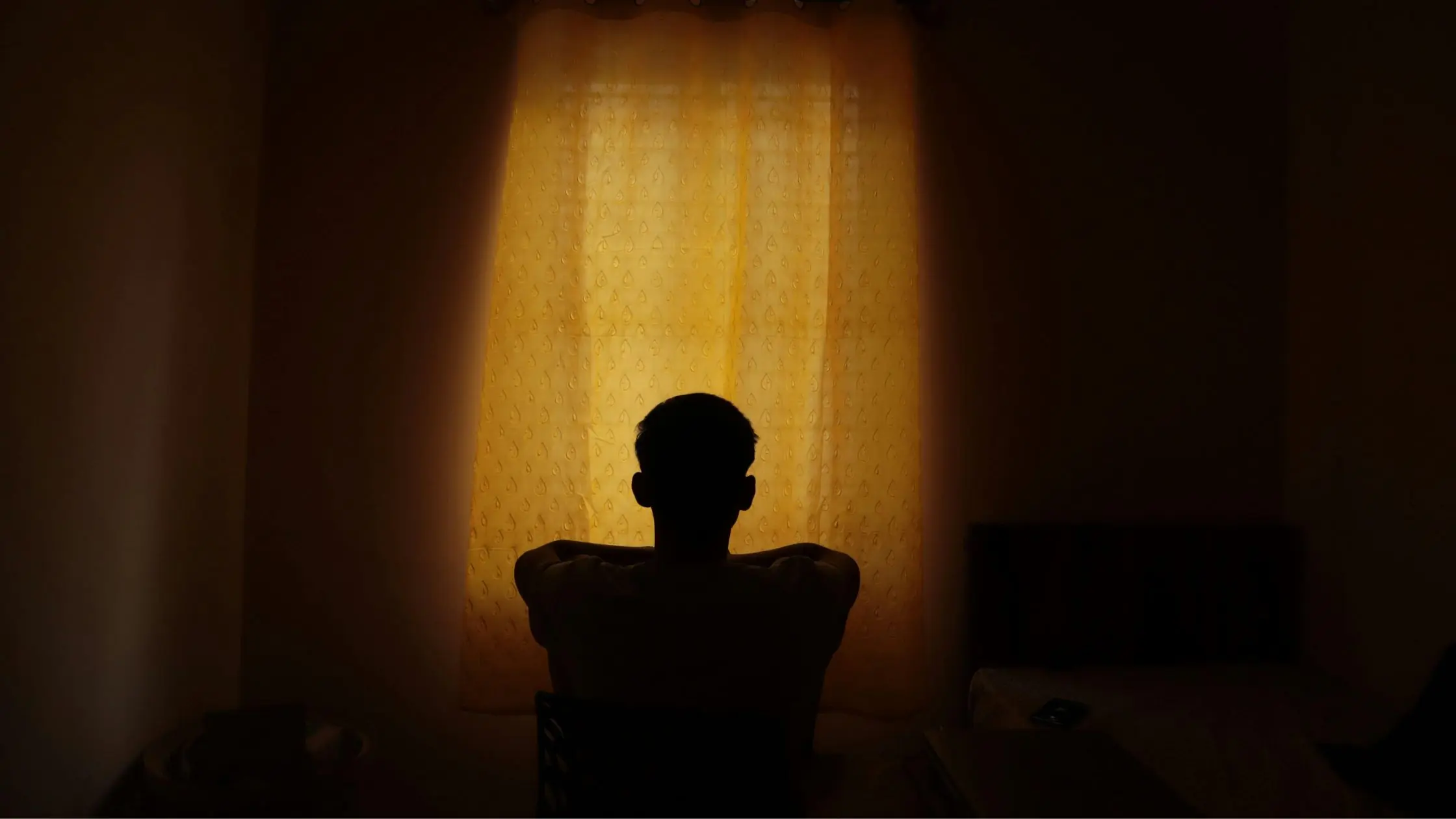
“Who hurts more after a breakup?”
Although this is often a divisive question, one thing is certain: breakups can be deeply painful, causing terrible scars that manifest as grief, trust issues, and even trauma.
On one hand, the relationship ended because the bond wasn’t strong enough; on the other, you loved someone so intensely that when things ended, you were left with a broken heart.
How people experience breakups can also depend on their gender.
Men are often seen as emotionally detached, quick to move on, or barely affected by the loss. Meanwhile, women are assumed to feel more pain because they are more expressive and emotionally aware.
But these surface-level observations miss what actually happens after the relationship ends. In reality, there’s more to the story than meets the eye.
How Men and Women Deal with Breakups
Men
- They prefer to seek help anonymously. Men are more likely to post on anonymous forums and discuss their heartaches with strangers online.
- They focus on early-stage or casual relationship issues. Men also often seek support during the early stages of a relationship rather than after long-term relationship breakups.
- They often internalize their pain. Men tend to repress their negative emotions and deal with their heartache on their own. Because of the societal pressure to “man up” and always be strong, it can be difficult for them to talk about their feelings.
Women
- They often connect with their community and support network. Women use their social connections and communities to process feelings, relying on collective emotional support to help them recover.
- They seek help later or in more formal contexts. Women are more likely to seek professional help, especially when relationships are more serious or advanced.
- They follow structured coping. Women also focus on problem-solving and practical matters (e.g., finances and household management), reflecting more systematic coping mechanisms.
Who hurts more after a breakup? Often, it's men.
According to a study published in the Journal of Social and Personal Relationships, men often experience more intense emotional pain after a breakup.
Despite women being able to feel a wider range of emotions at once, surprisingly, it’s men who often hurt more after the end of a romantic relationship.
Men tend to focus on coping rather than seeking active recovery. Asking for help is often perceived as shameful, and this kind of pressure can make it difficult for them to be as honest as possible with their feelings. As a result, it can take longer for men to recover.
The longer the pain goes unattended, the worse it can get.
Women, in contrast, reach out to their social circle, focus on areas that need improvement, and consciously leave the past behind. Their energy becomes their own. Coupled with the strength and support of others, there is a greater chance for women to recover quickly after a breakup.

How to Recover After a Breakup
Recovering after a breakup isn’t about ignoring your feelings or “toughing it out.” It’s about understanding your emotions, taking intentional steps, and practicing healthy coping strategies.
1. Connect with your support network.
Men often hesitate to ask for help when it comes to matters of the heart, but talking to people who understand can help a lot. Reaching out to trusted friends, family, or other support groups can also provide a safe space for you to share your experiences without judgment. Remember, asking for help is a sign of strength, not weakness.
2. Be vulnerable and express your emotions openly.
Suppressing negative feelings only prolongs the pain. Allow yourself to cry, vent, or even make a playlist of heartbreaking songs that reflect your mood. Should you choose to consume alcohol, make sure you’re with a responsible companion who can help you stay safe while you drink your sorrows away.
3. Listen to a sad song or two and let it all out.
If you’re not a fan of verbalizing your thoughts and feelings, music can be a good alternative, especially when words aren’t enough to scream your feelings into the void. You could even ask a friend to create a personal “I’ll be missing you” playlist based on your most relatable sad song yet.
4. Practice coping mechanisms that actually help you heal.
Redirect your energy into routines that support recovery, such as exercising with friends or doing outdoor activities. A little bit of sunlight and good company can do wonders for the soul, especially for people in need of emotional support.
5. Prioritize self-reflection and growth.
Use this time to learn about yourself. Try to identify the patterns that contributed to the breakup and what you can change in your future relationships. Journaling or even making audio diaries can reveal insights into your thoughts and feelings.
This isn’t about blaming yourself—it’s about understanding your emotions and making conscious choices moving forward.
6. Take your time because grief has no fixed timeline.
There is no fixed timeline for romantic grief. Some take a few weeks while others need years to recover. What matters is choosing to face your emotions rather than avoiding them. Quiet reflection, revisiting hobbies, or simply allowing yourself to feel are all valid steps forward.
How long does it take a man to get over a breakup?
Natalia Juarez, a breakup and relationship coach, said that men often need six months to a year to recover from a big breakup. How the relationship ended also plays a major role in recovery and can offer lessons to help prevent similar heartbreak in the future.
A simple rule of thumb applies: the messier the breakup, the longer it takes to heal. More amicable endings usually make moving on easier.
A Faster Recovery Doesn’t Guarantee Less Pain
Understanding who hurts more after a breakup is not about who wins or who loses.
There are no winners in breakups. It comes down to how pain is processed, supported, and given time to heal. While heartbreak can feel endless in the moment, it does not have to define you forever.
It is natural to sit with sadness for a while. Pain deserves acknowledgment. But allowing it to consume you entirely can make recovery harder and more isolating than it needs to be. You do not have to carry everything on your own.
Missing your ex does not mean you are weak, stuck, or failing to move on. It simply means the relationship mattered. The breakup has already happened, and while you cannot change the past, you still have control over how you move forward from here.
Men often carry breakup pain much longer, not because they care less, but because they are less likely to receive the support they need. When emotions go unspoken, hurt lingers. Recognizing that men need support is not a weakness—it is the first step toward real recovery. Healing does not mean rushing forward alone; it means allowing space, time, and connection so the pain does not stay buried.
Progress still counts, even when it feels slow.
Frequently Asked Questions
Why do men take longer to heal from breakups?
How do attachment styles affect breakup recovery time?
Can physical exercise actually reduce emotional pain after a split?
What are the signs that professional breakup coaching is needed?
Does "going no contact" really speed up the healing process?
References:
“Dirty laundry: The nature and substance of seeking relationship help from strangers online.” 2021. Sage Journals. https://journals.sagepub.com/doi/10.1177/02654075211046635.
Beusman, Callie. n.d. “How Long Does It Take to Get Over a Breakup?” Bumble. Accessed December 17, 2025. https://bumble.com/the-buzz/how-long-take-get-over-a-breakup.